


Out Now
The Aussie Issue
Current Issue
The Aussie Issue
DEC 25 - JAN 26
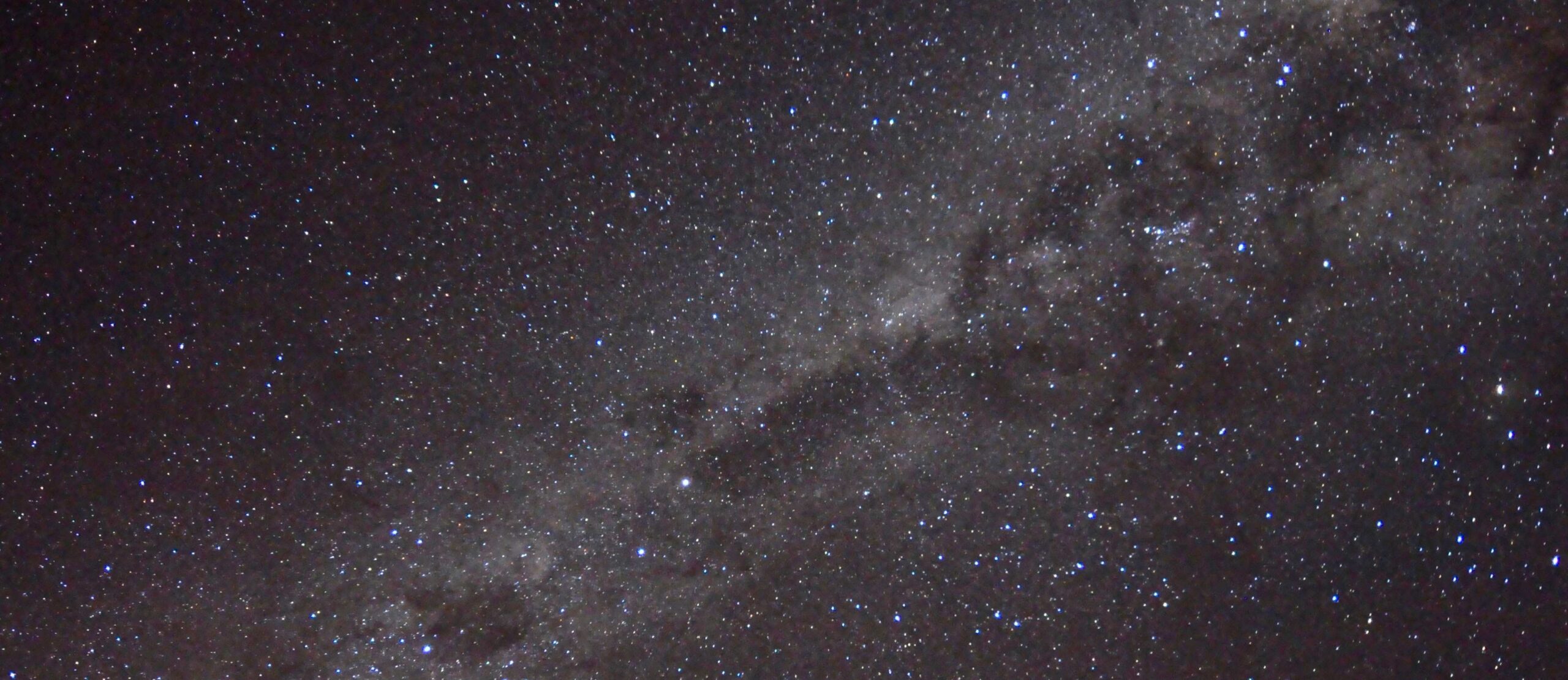
While artificial light has a host of benefits, it needs careful management, too.
Too much artificial light equals light pollution – and light pollution can have seriously negative effects on our wildlife, health, energy consumption and our environment.
According to a 2016 study, 80 per cent of the world’s population lives under ‘skyglow’, and in the UK and Europe, 99 per cent of the public can’t experience a natural night.
In a bid to keep the negative effects of artificial light to a minimum and return parts of our world to a pre-artificial light state, the International Dark-Sky Association was founded in 1988 to “preserve and protect the nighttime environment and our heritage of dark skies through quality outdoor lighting.” And in the 35 years that have followed, more than 200 International Dark Sky Sanctuaries, Dark Sky Parks, Dark Sky Reserves and Dark Sky Communities have been established.
These are places that keep the impact of artificial light to an absolute minimum, ensuring the natural environment at night is just that.
Here in Australia, our first International Dark Sky Park – Warrumbungle National Park in NSW, was officially designed in 2016, while in 2019, The Jump-Up in Queensland and the River Murray Swan Reach Conservation Park in South Australia were both designated official Dark Sky locations.
Over the ditch, however, New Zealand has some higher aspirations…
As far as night skies being negatively impacted by artificial light, New Zealand’s doing pretty well. In the North Island, around 74 per cent of its night skies are considered ‘pristine or degraded only near the horizon’, while in the South Island that figure stands at a pretty remarkable 93 per cent.
It’s certainly on the right track. Aoraki Mackenzie on the South Island was designated an International Dark Sky Reserve back in 2012, while Aotea/Great Barrier Island was named an International Dark Sky Sanctuary in 2017.
And, earlier this year, the districts of South Wairarapa and Carterton were named the world’s newest International Dark Sky Reserve.
The combined regions cover around 3665 sq km, and the site’s surrounded by ocean to the east and south, and forest to the north and west, which will help protect the area.
The status award marks the successful culmination of a five-year process to monitor and limit current and future light pollution, and the local communities of Martinborough, Featherston, Greytown and Carterton were thanked by the volunteer committee for making it possible – as well as the territorial authorities and national agencies, who needed to play their part because of light pollution from street lights, highways and lighthouses.
The country hopes the new Dark Sky Reserve will create greater volumes of tourism – particularly astronomical tourism – as well as enjoying other environmental benefits.
While New Zealand’s well on track to achieving its ambitions of becoming only the second dark sky country in the world, some Tasmanian residents are desperately trying to get people on board to save Tassie’s stars.
Tasmania has some of the world’s darkest skies – and a campaign is in full swing to make sure it stays that way.
With light pollution increasing on the island, Dark Sky Tasmania is concerned that, within two generations, the stars in the sky will no longer be visible. So the group is acting now to ensure that doesn’t happen – with part of the solution including establishing a dark sky sanctuary in the state’s south-east.
Of course, that alone won’t be enough – community action is essential, and Dark Sky Tasmania believes smart street lighting will be important to help reduce light pollution generally in coming years.
There’s a lot of work to do in Australia, but with a bit of luck, we’ll be able to enjoy the night’s stars here for a long, long time to come.
And if we can’t, we can always visit New Zealand…

Out Now
Current Issue
The Aussie Issue
DEC 25 - JAN 26

Issue 189
OCT - NOV 2025

Issue 188
AUG - SEPT 2025
Issue 187
JUN - JUL 2025
Issue 186
APR - MAY 2025
Issue 185
FEB - MAR 2025

Issue 184
DEC 2024 - JAN 2025

Issue 183
OCT - NOV 2024

Issue 182
AUG - SEPT 2024

Issue 181
JUN - JUL 2024

Issue 180
APR - MAY 2024

Issue 179
FEB - MARCH 2024
Issue 178
DEC 2023 - JAN 2024

Issue 177
OCT - NOV 2023

Issue 176
AUG - SEPT 2023

Issue 175
JUN - JUL 2023
Issue 174
APR - MAY 2023

Issue 173
FEB - MAR 2023

Issue 172
DEC 2022 - JAN 2023

Issue 171
OCT - NOV 2022

Issue 170
AUG - SEPT 2022

Issue 169
JUN - JUL 2022

Issue 168
APR - MAY 2022

Issue 167
FEB - MAR 2022

Issue 166
DEC 2021 - JAN 2022

Issue 165
OCT - NOV 2021

Issue 164
AUG - SEPT 2021

Issue 163
JUN - JUL 2021
Issue 162
APR - MAY 2021
Issue 161
FEB - MAR 2021

Issue 160
DEC 2020 - JAN 2021

Issue 159
OCT - NOV 2020
Issue 158
AUG - SEPT 2020

Issue 157
JUN - JUL 2022
Issue 156
APR - MAY 2020

Issue 155
FEB - MAR 2020

Issue 154
DEC 2019 - JAN 2020

Issue 153
OCT - NOV 2019

Issue 152
AUG - SEPT 2019
Issue 151
JUN - JUL 2019

Issue 150
APR - MAY 2019
Issue 149
FEB - MAR 2019
Issue 148
DEC 2018 - JAN 2019

Issue 147
OCT - NOV 2018

Issue 146
AUG - SEPT 2018

Issue 145
JUN - JUL 2018

Issue 144
APR - MAY 2018
Issue 143
FEB - MAR 2018

Issue 142
DEC 2016 - JAN 2017

Issue 141
OCT- NOV 2017

Issue 140
AUG - SEPT 2017

Issue 139
JUN - JUL 2017
Issue 138
APR - MAY 2017

Issue 137
FEB - MAR 2017
Issue 136
DEC 2016 - JAN 2017

Issue 135
OCT - NOV 2017

Issue 134
AUG - SEPT 2016

Issue 133
JUN - JUL 2016

Issue 132
APR - MAY 2016

Issue 131
FEB - MAR 2016

Issue 130
DEC 2015 - JAN 2016
Issue 129
OCT - NOV 2015

Issue 128
AUG - SEPT 2015

Issue 127
JUN - JUL 2015
Issue 125
APR - MAY 2015

Issue 125
FEB - MAR 2015

Issue 124
DEC 2014 - JAN 2015
Issue 123
OCT - NOV 2014

Issue 122
AUG - SEPT 2014

Issue 121
JUN - JUL 2014
Issue 120
APR - MAY 2014

Issue 119
FEB - MAR 2014
Issue 118
DEC 2013 - JAN 2014

Issue 117
OCT - NOV 2013

Issue 116
AUG - SEPT 2013
Issue 189
OCT - NOV 2025
Issue 188
AUG - SEPT 2025
Issue 187
JUN - JUL 2025
Issue 186
APR - MAY 2025
Issue 185
FEB - MAR 2025
Issue 184
DEC 2024 - JAN 2025
Issue 183
OCT - NOV 2024
Issue 182
AUG - SEPT 2024
Issue 181
JUN - JUL 2024
Issue 180
APR - MAY 2024
Issue 179
FEB - MARCH 2024
Issue 178
DEC 2023 - JAN 2024
Issue 177
OCT - NOV 2023
Issue 176
AUG - SEPT 2023
Issue 175
JUN - JUL 2023
Issue 174
APR - MAY 2023
Issue 173
FEB - MAR 2023
Issue 172
DEC 2022 - JAN 2023
Issue 171
OCT - NOV 2022
Issue 170
AUG - SEPT 2022
Issue 169
JUN - JUL 2022
Issue 168
APR - MAY 2022
Issue 167
FEB - MAR 2022
Issue 166
DEC 2021 - JAN 2022
Issue 165
OCT - NOV 2021
Issue 164
AUG - SEPT 2021
Issue 163
JUN - JUL 2021
Issue 162
APR - MAY 2021
Issue 161
FEB - MAR 2021
Issue 160
DEC 2020 - JAN 2021
Issue 159
OCT - NOV 2020
Issue 158
AUG - SEPT 2020
Issue 157
JUN - JUL 2022
Issue 156
APR - MAY 2020
Issue 155
FEB - MAR 2020
Issue 154
DEC 2019 - JAN 2020
Issue 153
OCT - NOV 2019
Issue 152
AUG - SEPT 2019
Issue 151
JUN - JUL 2019
Issue 150
APR - MAY 2019
Issue 149
FEB - MAR 2019
Issue 148
DEC 2018 - JAN 2019
Issue 147
OCT - NOV 2018
Issue 146
AUG - SEPT 2018
Issue 145
JUN - JUL 2018
Issue 144
APR - MAY 2018
Issue 143
FEB - MAR 2018
Issue 142
DEC 2016 - JAN 2017
Issue 141
OCT- NOV 2017
Issue 140
AUG - SEPT 2017
Issue 139
JUN - JUL 2017
Issue 138
APR - MAY 2017
Issue 137
FEB - MAR 2017
Issue 136
DEC 2016 - JAN 2017
Issue 135
OCT - NOV 2017
Issue 134
AUG - SEPT 2016
Issue 133
JUN - JUL 2016
Issue 132
APR - MAY 2016
Issue 131
FEB - MAR 2016
Issue 130
DEC 2015 - JAN 2016
Issue 129
OCT - NOV 2015
Issue 128
AUG - SEPT 2015
Issue 127
JUN - JUL 2015
Issue 125
APR - MAY 2015
Issue 125
FEB - MAR 2015
Issue 124
DEC 2014 - JAN 2015
Issue 123
OCT - NOV 2014
Issue 122
AUG - SEPT 2014
Issue 121
JUN - JUL 2014
Issue 120
APR - MAY 2014
Issue 119
FEB - MAR 2014
Issue 118
DEC 2013 - JAN 2014
Issue 117
OCT - NOV 2013
Issue 116
AUG - SEPT 2013
Comments (0)
Write a Comment