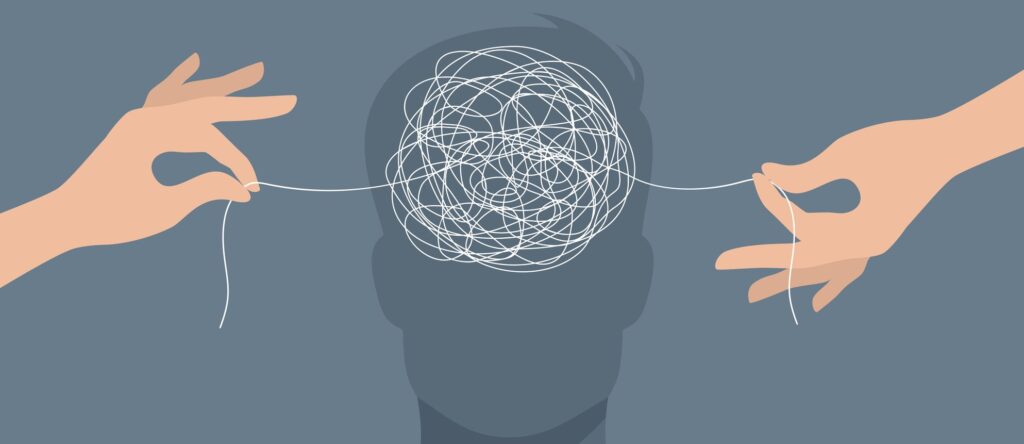
The scale of the mental health problem – and where to turn for help.
We all know any trade profession is hard going. There are long hours to contend with. The work is tough – mentally and physically. And for those of us running our own businesses, we can also add those stressors to the mix. It can be a pretty high-pressure situation – and can create significant mental health challenges.
At the last count, around 21.5% of Australians reported they were living with a mental health disorder, while 43% of people aged 16-85 have experienced a mental illness at some point in their lives.
When it comes to people working in the trades, however, that number trends higher. In Australia, various studies have pinned the number of tradies currently dealing with a mental health challenge at anywhere from 25% to more than 40%. However, that’s likely to be a very conservative figure.
In Steel Blue’s 2024 ‘Boot the Blues’ survey, in partnership with Beyond Blue, more than 50% of respondents said that skill shortages alone had impacted their mental health. Yet a fifth of all respondents said they would not tell anyone if they had depression.
A UK study in 2023, meanwhile, found that 93% of UK tradespeople have been affected by mental ill-health.
The UK report demonstrates that this isn’t an ‘Australian’ thing. Far from it. In the US, the construction and trades sector reports the highest overdose and second-highest suicide rate across all sectors. Canada saw a doubling of mental illness-related lost time claims from 2012 to 2022. This illustrates that challenges faced by Australian tradies aren’t unique, but symptomatic of broader industry-specific factors.
She’ll be right, mate
While common factors across borders are one thing – and demonstrate that our challenges aren’t unique – the famed Aussie attitude of ‘just getting on with things’ is perhaps more of a local factor.
While ‘she’ll be right, mate’ is a positive attitude to have in a lot of situations, and a desire to get your head down and crack on with things is often admirable, there’s a balance to be struck somewhere.
Beyond Blue Clinical Spokesperson Dr Luke Martin says men are less likely than women to seek support for mental health issues and there remains a stigma which can stop them seeking support.
“While the stigma is gradually reducing, it’s still an issue. Many men like to be self-reliant and often try to handle problems on their own. They can be embarrassed or ashamed to admit they need a hand, so can be reluctant to confide in friends and family about how they are feeling.
“Unfortunately, this can lead to unhealthy coping behaviours, which can result in problems snowballing. Taking steps to get support early on can really help people feel better sooner.”
And it’s vital we do so. We put so much time and attention into workplace health and safety, yet trades workers in Australia are six times more likely to die from suicide than a workplace accident.
A key issue here, though, is about asking for help when you need it, and knowing the signs to look out for in others.
Yes, we don’t want to be a country of people who break at the slightest setback – resilience is a crucial attribute for any well-functioning person – but it’s important to recognise when things are edging past the point of ‘I’ll deal with it’.
Mental health warning signs
So, what to look out for in yourself and others. There’s a load of info out there online – some of which we point you towards in the panel on the right – but there are a few that are commonly recognised as being critical. These include persistent changes in mood like prolonged sadness or increased irritability, social withdrawal, loss of interest in hobbies, and significant shifts in sleep or appetite.
Increased anxiety marked by excessive worry or physical symptoms, and the development of negative thought patterns, feelings of hopelessness, or low self-worth are also key indicators.
Stop and think too if you or someone else is relying on alcohol or substances more, or are experiencing unusual fatigue or a lack of motivation that lasts more than a day or two (because, let’s be honest, there are some jobs that simply do not get the good vibes flowing!).
Crucially, though, any thoughts of self-harm or suicide demand immediate action and help-seeking.
It’s important too to understand the factors that are contributing to mental health load – turn to page 18 for more on that particular topic – but ultimately, if you or someone you’re working with is consistently displaying some of the symptoms outlined here, it’s time to step in. There’s a load of resources out there, but it needs to start with a conversation.
Sometimes a chat is all that’s needed to set someone back on the right track.
Dr Martin says, “Having that first conversation or acknowledging you need help can be difficult, but it’s crucial. It’s often the first step in turning things around. It takes strength to reach out for support, but getting help early can ease distress and stop issues from escalating.
“By breaking down stigma and normalising conversations around mental health, we can create a culture where asking for support is seen as a sign of strength, not weakness. No concern is too small to talk about – help is there for anyone who needs it.”
Ask, listen, support
If you’re managing a team and you notice someone’s struggling, what should you do?
Dr Martin said the best way to approach a colleague you suspect may be struggling with their mental health was to use the ‘Ask, Listen and Support’ strategy.
“‘Ask’ is about finding a quiet time and private space to open the conversation and ask if everything is okay,” he said.
“‘Listen’ is about being empathetic and hearing what is going on in a caring, non-judgemental way.
“‘Support’ means helping your colleague explore their options for what to do about how they’re feeling. You can encourage them to seek help from the workplace Employee Assistance Program (EAP), their GP or organisations like Beyond Blue.”
Where to turn
Need some mental health help? The good news is there’s a lot out there – including the following.
MATES in Construction: Industry-specific suicide prevention program offering on-site support, general awareness training (GAT), connector training, applied suicide intervention skills training (ASIST), and case management to connect construction workers with help. mates.org.au
Beyond Blue: Provides 24/7 phone, webchat, and email support, along with online forums, information on anxiety, depression, and suicide prevention, and specific resources for small business owners. beyondblue.org.au
Lifeline: Offers 24/7 crisis support via phone, text, and online chat for anyone experiencing emotional distress or having suicidal thoughts. Provides a safe place to talk. lifeline.org.au
MensLine Australia: A national telephone and online support service for men with emotional health and relationship concerns. Offers confidential, anonymous counselling and referrals. mensline.org.au
TIACS (This is a Conversation Starter): Provides free and confidential mental health counselling and support specifically for tradies, construction, and allied workers across Australia. www.tiacs.org
HALT (Hope Assistance Local Tradies): Works to raise awareness of mental health in the trades and connects tradies with local support services and initiatives. halt.org.au
SafeWork Australia: Offers information and resources on work-related mental health, including guidance for employers and workers on creating mentally healthy workplaces. safeworkaustralia.gov.au/mental-health
13YARN (13 92 76): For Aboriginal and Torres Strait Islander people to yarn without judgement in a confidential and culturally safe space. 13yarn.org.au
R U OK?: National suicide prevention charity that helps people stay connected and have conversations that can help others during difficult times. Has lots of resources for the workplace, too. ruok.org.au