Step back in time
To a world in which electricity was innovation, and lighting was news in itself…
Back in the late 19th century, electric lighting was becoming increasingly viable.
By this point, the West End of London was already a glamorous entertainment epicentre with a long tradition that dated back a few hundred years. Although the first permanent public playhouse, imaginatively named The Theatre, was constructed in 1576 in the city’s East End location of Shoreditch, the timber from that building was used in 1599 to construct the famous Globe Theatre.
The theatre boom lasted only a few decades, however – they were banned by the Puritans in 1642, and for the best part of 20 years, there was no theatre allowed.
After the puritanical reign ended, the first West End theatre, the Theatre Royal, was built on Drury Lane in 1663 – it burned down nine years later and was replaced by a construction designed by Sir Christopher Wren. That one burned down too, to be replaced by one designed by Benjamin Wyatt – and still stands today, making it the oldest theatre site in London.
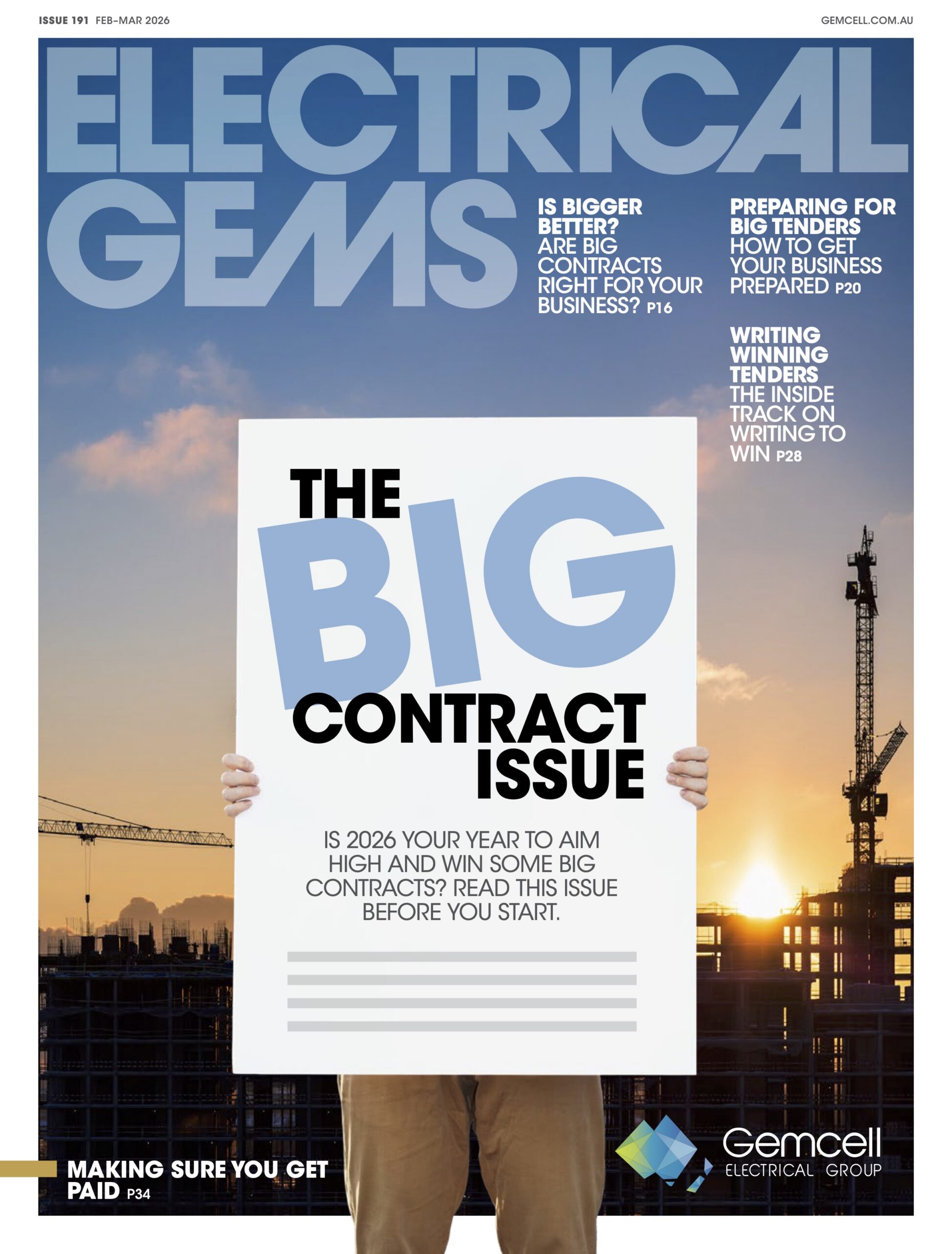
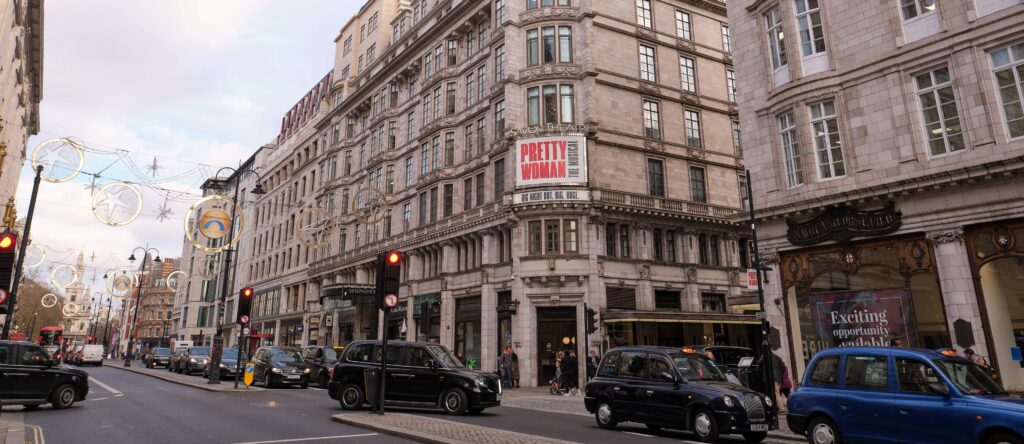
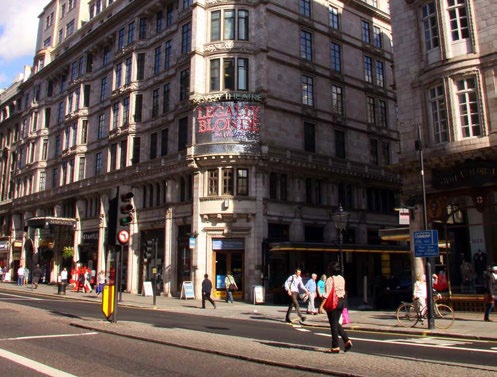
Fast forward a couple of hundred years, and a number of theatres had opened their doors, including the Savoy Theatre on The Strand.
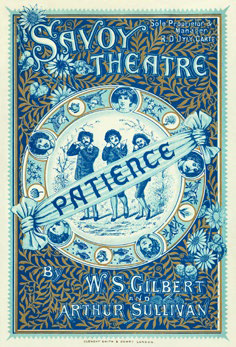
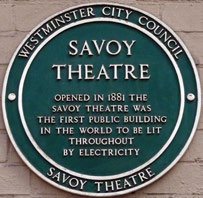
The Savoy Theatre was opened in 1881, on a site previously occupied by the Savoy Palace, one of the grandest townhouses in medieval London.
It was built to be a showcase for Gilbert and Sullivan operas, and seated more than 1000 people. But the new theatre made headlines around the world – as it was the first public building in the world to be lit throughout by electricity. (The word ‘throughout’ is important there, as we’ll discover!)
Bringing the first electricity in a public building to the Savoy Theatre
Sir Joseph Swan, inventor of the incandescent light bulb, supplied the theatre with 1200 lamps, powered by a 89kW generator nearby.
Richard D’Oyly Carte, who owned the theatre, is quoted as saying at the time: “The greatest drawbacks to the enjoyment of the theatrical performances are, undoubtedly, the foul air and heat which pervade all theatres. As everyone knows, each gas-burner consumes as much oxygen as many people, and causes great heat beside. The incandescent lamps consume no oxygen, and cause no perceptible heat.”
The first generator wasn’t powerful enough to light the whole building so for the first couple of months the stage remained gas-lit, but soon the whole building was illuminated by Swan’s bulbs. Carte even took to the stage and broke a glowing bulb to demonstrate the safety.
The theatre was refurbished in 1929 and was a fixture on the West End circuit. In 1990, however, when undergoing renovations, a fire broke out and gutted the place. The building was rebuilt as faithfully as possible to the 1929 designs and reopened two years later. Today it remains a popular destination for theatre-goers – many of whom may not realise quite the role the building, and the theatre’s founder, Mr Carte, played in popularising the electric light bulb.
You coulda’ been a contender!
The Savoy Theatre’s place in electric light history is cemented as the first public building in the world to be lit throughout by electricity. That’s because a few years earlier, Paris’s Gare du Nord train station installed some electric lighting as part of Paris’s reputation as ‘The City of Light’. Obviously, they didn’t install enough.
Over in the States, a year after the Savoy was lit up, the New York Times building installed electric lights, and the Edison Electric Illuminating Company also brought light to Manhattan.
Closer to home, and it was 1878 when Sydney’s General Post Office reportedly became Australia’s first major building to be lit by electricity, powered by its own generator.