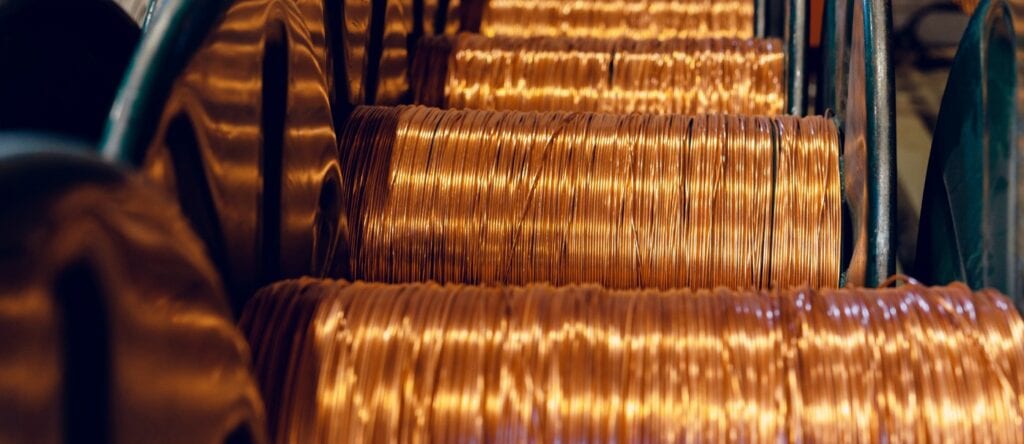
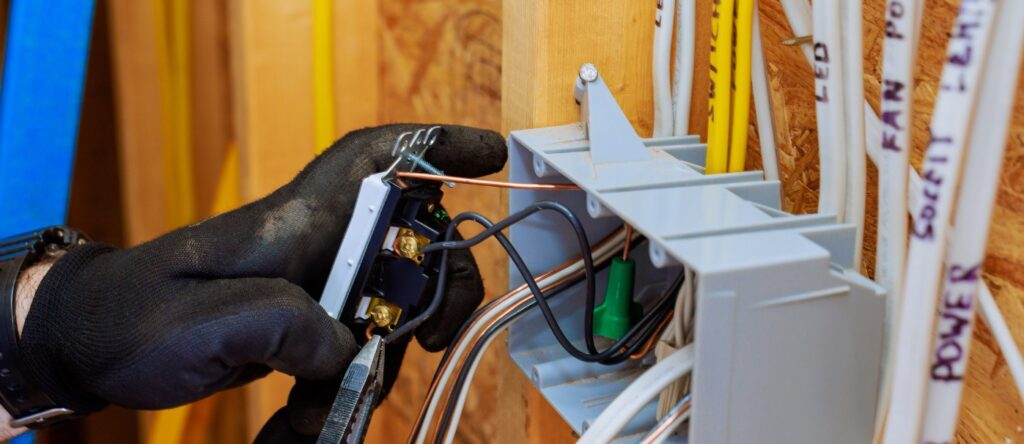
Copper prices are often talked about in relation to the cost of electrical cables – but what does that actually mean, and why does it impact cabling?
Copper is a fundamental material used throughout the electrical industry and demand for it continues to rise globally. At the same time, supply pressures, pricing volatility and increasing manufacturing costs are affecting cable manufacturers, wholesalers and contractors alike.
For electrical contractors, understanding the factors driving copper pricing helps explain fluctuations in cable costs, availability and lead times. Our friends at the Australian Cable Initiative explain all.
What is copper used for in the electrical industry?
Copper is widely used across the electrical industry because of its:
high electrical conductivity
thermal conductivity
strength
reliability in industrial applications
Copper is commonly used in:
electrical cables
circuit boards
batteries
electric vehicles (EVs)
air conditioners
Its practicality and performance continue to drive strong global demand.
Key takeaways for electrical contractors
Copper prices have nearly doubled since 2024.
Demand from EVs, renewable energy and data centres is increasing pressure on supply.
Aluminium can be used as an alternative conductor material but comes with limitations.
Rising oil prices are also affecting cable insulation and sheath materials.
Metals and market dynamics
The dramatic rise in the prices of precious metals such as gold and silver has been widely reported in recent years. Copper, however, has also experienced significant price increases.
While gold and silver have reportedly tripled in price since 2024, copper prices have nearly doubled over the same period.
Unlike precious metals often associated with investment demand, copper’s value is closely tied to industrial demand and practical applications.
Why are copper prices rising?
Copper is traded globally on major exchanges including:
London Metal Exchange (LME)
COMEX in the United States
Shanghai Futures Exchange (SHFE)
These exchanges establish global pricing benchmarks, although pricing variations still occur between markets.
Copper pricing experienced strong volatility and an upward trend during 2025, with Australian buyers also impacted by fluctuations in the AUD to USD exchange rate.
The impact of cathode premiums
Purchasing copper also involves cathode premiums, which are charged in USD and have reportedly increased fourfold in recent years.
Manufacturers focused on Environmental Social and Governance (ESG) standards are increasingly selecting sustainable and high-purity cathodes, contributing to higher premium costs.
Why copper demand continues to grow
Copper demand is driven by necessity rather than short-term trends.
Its unique combination of conductivity, strength and reliability makes it critical across a range of industries and technologies.
Growing demand sectors include:
renewable energy
electric vehicles
EV charging infrastructure
data centres
Forecasts suggest a potential global copper supply shortage of between 300,000 and 600,000 tonnes by the end of 2026, which could place further upward pressure on pricing.
Strong demand in the United States is also diverting supply and contributing to higher premiums in other markets.
Copper vs aluminium in electrical cabling
Copper and aluminium are both commonly used as conductor materials in electrical cabling, but there are important differences between the two.
Aluminium requires an approximately 60% larger cross-sectional area than copper to achieve the same resistance value.
This creates challenges in space-sensitive environments such as:
data centres
electric vehicles
EV charging infrastructure
Aluminium also forms an insulating oxide layer when exposed to air, requiring additional precautions during termination and installation.
How oil prices are affecting cable manufacturing
Recent actions in the Middle East have contributed to higher crude oil prices and reduced availability of oil-based products.
This is significant for the cable industry because many cable polymers – including insulation and sheath materials – are derived from oil products.
As a result, both pricing and availability of cable materials may be adversely affected.
How the cable sector is adapting
The cable industry continues to face significant pricing and supply challenges across multiple fronts.
Operational strategies being used across the sector include:
forward contracts to hedge against price volatility
balancing stock volumes against surplus risks
managing exposure to fluctuating spot market pricing
These strategies aim to reduce risk while maintaining supply continuity.
What is the future outlook for copper prices?
Predicting future metal pricing remains difficult, particularly during periods of geopolitical instability.
Following US action involving Iran on 28 February 2026, market attention shifted heavily towards oil pricing, while copper prices reportedly fell by approximately 7% at the time of writing.
Despite short-term fluctuations, the long-term demand drivers for copper remain strong due to continued growth in infrastructure, energy and technology sectors.
Why copper recycling matters
Copper is one of the world’s most recyclable metals, making it a highly sustainable material for ongoing industrial use.
Recycling initiatives such as the RecyCable project being developed by ACI Member JR Hammer are helping extend the usable life of critical resources and support more sustainable industry practices.
Frequently asked questions about copper prices and electrical cables
Why do copper prices affect electrical cable costs?
Copper is a major raw material used in electrical cable manufacturing, so increases in copper pricing directly affect production costs.
Why is copper demand increasing?
Demand is increasing because of growth in renewable energy, electric vehicles, EV charging infrastructure and data centres.
Can aluminium replace copper in electrical cables?
Aluminium can be used in some applications, but it requires a larger cross-sectional area and additional precautions during installation.
How do oil prices affect cable manufacturing?
Cable insulation and sheath materials are commonly made from oil-derived polymers, meaning oil price increases can affect manufacturing costs and supply.
Why is copper considered sustainable?
Copper is highly recyclable and can be reused repeatedly, making it an important material for recycling and sustainability initiatives.
The lowdown for electrical contractors
Copper pricing is being influenced by growing global demand, supply pressures, exchange rates and broader geopolitical conditions.
For electrical contractors and wholesalers, rising copper and oil prices can affect cable costs, product availability and project planning.
With increasing demand from renewable energy, EV infrastructure and data centres, copper is expected to remain one of the electrical industry’s most valuable and heavily utilised materials.
Discover the new-look Electrical Gems and what’s inside the Marketing & Reputation Issue for Australian electrical contractors.
[...]<p><a class="btn btn-secondary understrap-read-more-link" href="https://gemcell.com.au/news/electrical-gems-marketing-reputation-issue/">Read More...<span class="screen-reader-text"> from New launch: Electrical Gems – The Marketing & Reputation Issue</span></a></p>
The popular Ventair Stanza ceiling fan has been upgraded to an energy-efficient DC model, delivering a practical, modern solution for homes, classrooms, offices and light commercial spaces. Designed as a hassle-free retrofit, Stanza DC provides the power-saving benefits of DC motor technology while retaining the simplicity of a wall control. It is compatible with existing [...]<p><a class="btn btn-secondary understrap-read-more-link" href="https://gemcell.com.au/new-products/ventair-stanza-dc/">Read More...<span class="screen-reader-text"> from Ventair – Stanza DC</span></a></p>
The new LEDVANCE HouseGuard Security Floods are now available as a full family of products to suit every residntial application when you need instant light for safety and security. The range is available in both Back and White to complimentyour exterior colour. Single 12w ( Lumen package 1200lms ) and Twin 12w ( 24w Total [...]<p><a class="btn btn-secondary understrap-read-more-link" href="https://gemcell.com.au/new-products/ledvance-houseguard-security-floodlight/">Read More...<span class="screen-reader-text"> from LEDVANCE – HouseGuard Security Floodlight</span></a></p>