How are renovations looking for the rest of this year – and beyond?
May 28, 2026
For electrical contractors, the past few years have been defined by a consistent theme – homeowners investing in their homes, and investors renovating to flip for a profit.
Now, with interest rates rising and all sorts going on in the Middle East, the times – as Bob Dylan would say – they are a-changing.
So, what’s the outlook for the rest of the year, and what do you need to know?
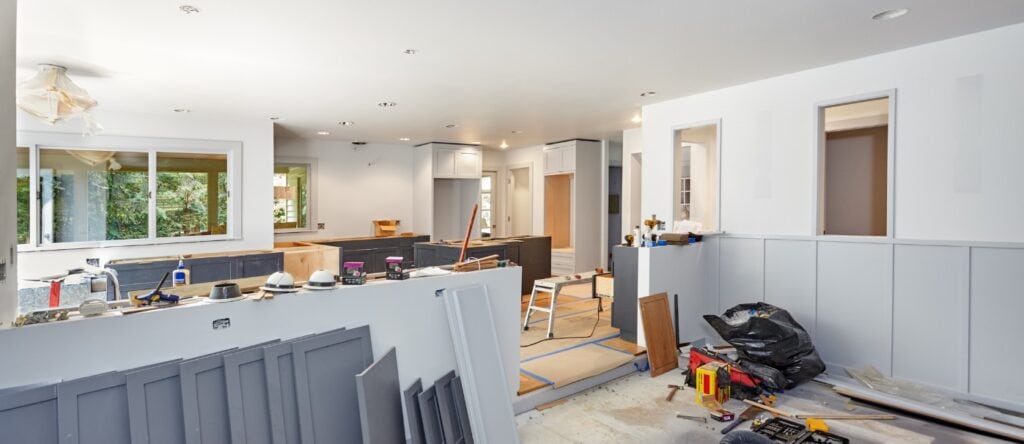
The renovation outlook in Australia refers to the level of activity in alterations and additions to existing homes, influenced by economic conditions, housing supply, interest rates and construction sector trends.
Current ABS data shows that renovation activity has stabilised rather than declined sharply, with ongoing demand expected – albeit at a more measured pace than in previous years.
Key takeaways for electrical contractors
Renovation spending has plateaued but remains stable at high levels
Rising interest rates are likely to slow, not stop, renovation work
More projects may be staged over time rather than completed in one go
Growth in multi-residential construction is creating new opportunities
Builder insolvencies are impacting confidence and increasing risk
Pricing uncertainty is affecting how quotes are prepared and accepted
Reno activity slows down around the edges
ABS stats show that while renovation action has softened a bit, it’s not collapsed. The value of alterations and additions has plateaued in recent quarters – at around $3.7bn – rather than tail off. This was a 0.2% decrease from the previous quarter, but it was still a 4.9% increase year-on-year, and suggests we’ll see a steadying of new renovation work in the coming months, rather than a major increase.
It’s important to remember that between 2020-2023, we saw historically high levels of renovation activity. The (whisper it) pandemic lockdowns, low interest rates and limited housing supply led homeowners to upgrade their properties rather than relocating, while challenges in new home construction, including labour shortages, material delays and supply chain-related cost blowouts channeled interest into renos.
That environment, of course, no longer exists.
Interest rates are on the way back up – with further rises forecast this year at the time of publication – and the ongoing situation in the Middle East impacting the cost and availability of goods too.
This means less disposable income to do those reno jobs – and while they may not be canned altogether, they’re more likely to be staggered into phases.
The construction sector is reshaping, too
When it comes to new dwelling approvals, we’ve seen an interesting shift, too. There’s been a slight quarterly decline of 0.9% in private sector new house builds starting, although year-on-year new houses have seen an increase of 7.6%, with 28,469 new house builds commencing in the December quarter (note, this figure is for standalone residential dwellings).
For private sector ‘other residential’ – think apartments, semi-detached homes, townhouses etc – there was a 23.4% increase in project commencement in the quarter, and a staggering 63.7% increase year-on-year.
While the total figure for ‘other residential’ is 23,849, the trend is significant and gives a clear indication of where work is to be found.
Builder insolvencies impact confidence
The stats on builder insolvencies are significant, with 3596 builders going bust in the 2025/26 financial year. Unsurprisingly, it’s affecting customer confidence, too – with almost eight in ten Australians concerned about insolvencies in the construction industry and 51% more concerned about builders going bust before they complete a project than they were a year ago.
For contractors, it’s a quandary – the work’s there, but working for a builder comes with risks. There are ways to protect yourself, however, and it’s important you’re pragmatic about this, regardless of the relationship you have with any building company you’re working with.
What effect is the Middle East conflict having in Australia?
Geopolitical uncertainty always adds another layer for consideration, and the current situation in the Middle East impacts renovation and new builds too.
Medium-long-term fuel availability is uncertain, while inflationary pressures are feeding into pricing, and supply chain issues creating challenges regarding the availability of stock.
This makes issuing fixed price quotes near-impossible for certain jobs, which in turn makes it challenging for customers to accept. For contracting jobs, a seven, rather than 30-day, quote validity may be an option, or moving from quotes to estimates is also an option.
For added transparency, the components within your quotes can be broken down – the fixed costs i.e. your time, etc – can be specified, along with the variables, i.e. parts and supplies. The current price of the variables can be stated, and noted they’re subject to change. The greater transparency you can offer, the greater trust you can build.
Frequently asked questions about renovation outlook Australia
Is renovation work declining in Australia?
Renovation activity has softened slightly but remains stable at relatively high levels, with continued demand expected.
Will rising interest rates stop renovation projects?
Interest rates are more likely to delay or stage projects rather than cancel them completely.
Where is construction growth happening?
Growth is strongest in multi-residential construction, including apartments and townhouses.
How do builder insolvencies affect contractors?
They increase financial risk and impact customer confidence, requiring contractors to be more cautious when working with builders.
How should contractors handle pricing uncertainty?
Options include shorter quote validity periods, using estimates and clearly outlining variable costs.
What electrical contractors should remember
Renovation work is still available, but the market is shifting. Expect slower growth, more staged projects and increased pricing complexity.
At the same time, rising multi-residential construction presents new opportunities. Managing risk – particularly around builder insolvencies – and improving pricing transparency will be key to maintaining steady work.
What if the cables powering our homes, businesses and infrastructure could do more than simply reduce their environmental impact? What if they could achieve a negative carbon footprint before they even leave the factory? At Prysmian we believe innovation and sustainability should go hand in hand. We are continuously exploring new technologies that make our [...]<p><a class="btn btn-secondary understrap-read-more-link" href="https://gemcell.com.au/news/beyond-neutral-prysmian-takes-cable-sustainability-to-the-next-level/">Read More...<span class="screen-reader-text"> from Beyond Neutral: Prysmian takes cable sustainability to the next level</span></a></p>
A guide for sparkies on delegating tasks, documenting processes and stepping away without business grinding to a halt. [...]<p><a class="btn btn-secondary understrap-read-more-link" href="https://gemcell.com.au/news/holiday-guide-electrical-contractors/">Read More...<span class="screen-reader-text"> from The Great Unplug: The Electrical Contractor’s Guide To Taking A Holiday</span></a></p>
A practical guide to staff expenses for tradies, covering expense policies, receipts, approvals, red flags and job-level cost tracking. [...]<p><a class="btn btn-secondary understrap-read-more-link" href="https://gemcell.com.au/news/staff-expenses-tradies-electrical-business/">Read More...<span class="screen-reader-text"> from Staff expenses 101 – a tradie’s guide</span></a></p>