Working in winter: How cold weather affects the body
July 3, 2023
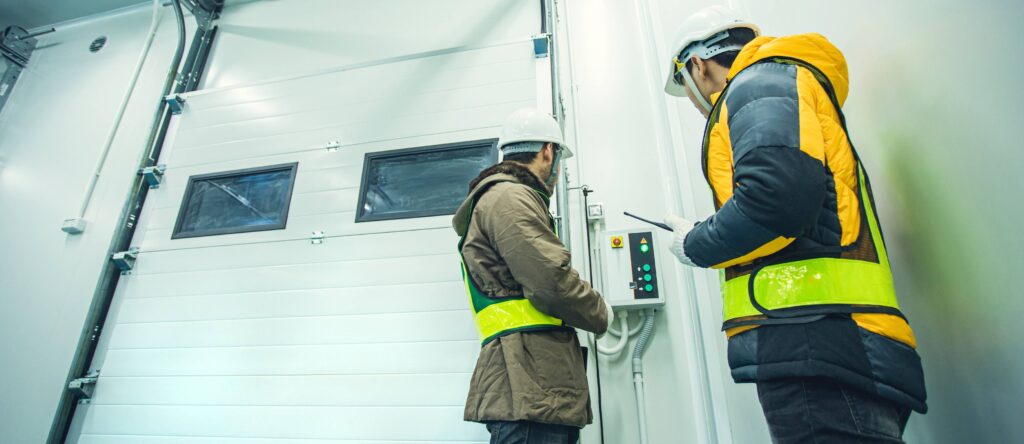
Whether you’re working in the great outdoors or in some chilly roof cavities, it’s important for you and your team to keep the blood flowing and the warmth up.
Regulating body temperature is vital
A dip can have physical and psychological consequences
Make sure you and your team stay warm
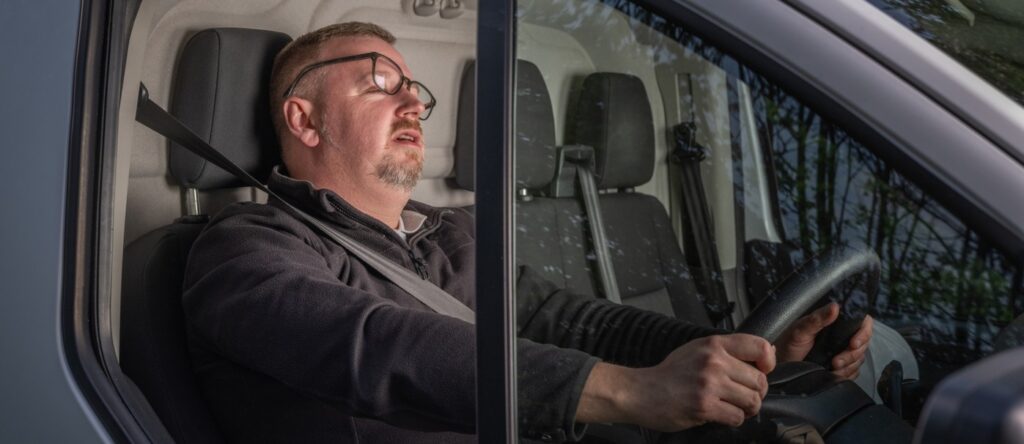
Workplace accidents can increase in cold weather
It’s only for a few weeks of the year, and only truly affects certain areas of this vast country of ours, but the cold weather can certainly have a major impact on us.
From a physiological perspective as well as a psychological one, cold weather can come as a shock, particularly when we’re not that used to it.
As we are human (well, maybe bar that questionable apprentice back in 2015), our bodies are designed to keep and maintain a constant internal temperature.
This is important for a few reasons, including cellular function, enzyme reactions and essentially keeping our body in balance.
Just as we respond to warm weather by sweating to cool down, our bodies react to cold weather by shivering, which is our body’s way of trying to warm us up.
The body has to work a lot harder than usual to maintain its ideal temperature (which is generally accepted to be around 36-37˚C), and placing this extra load on the body can result in a state of increased stress and anxiety.
This can result in the body being in a constant state of tension – which isn’t too conducive to performing at your max.
The psychological effects of working in cold weather
Studies have shown that working in cold weather for prolonged periods of time can also lead to a decrease in cognitive function. The brain is less able to process information and make decisions, which can have a negative impact on productivity and job performance.
As well as a drop off in cognitive performance, working in cold weather can also lead to a decrease in physical performance, as the body is constantly working to maintain its internal temperature.
This can increase the risk of injury and accidents, which can have a further impact on an individual’s psychological well-being.
The physical effects of working in cold weather
In addition to these psychological effects, working in cold weather can also have some negative physical effects on the body.
Exposure to extremely cold temperatures can lead to a variety of health issues, including frostbite, hypothermia, and respiratory problems, but even working in temperatures that are colder than what you’re used to can have a negative impact on your well-being, causing discomfort, pain, and frustration.
This is because the body responds to cold temperatures by constricting blood vessels, which can lead to a decrease in blood flow and oxygen to the extremities, which can cause numbness, tingling, and pain in the hands and feet.
This, of course, is problematic when you’re an electrician – and, as you might expect, working in cold weather can also increase the risk of workplace accidents and injuries.
That decreased blood flow and numbness in the hands and feet can lead to a loss of dexterity and grip strength, increasing the risk of slips, trips, and falls. It can also impair vision and judgement, increasing the risk of accidents with machinery and vehicles.
So, if you or your team are working in the cold this winter, take steps to reduce the effect of the cold – warm-up breaks, the right clothes and cups of tea to warm up will keep you right!
What electrical contractors need to know about security camera installation, privacy, audio recording, placement and practical compliance. [...]<p><a class="btn btn-secondary understrap-read-more-link" href="https://gemcell.com.au/news/security-camera-installation-electrical-contractors/">Read More...<span class="screen-reader-text"> from Caught On Camera: The Dos And Don’ts Of Security Camera Installation For Electrical Contractors </span></a></p>
Explore insurance for electrical contractors, including public liability, professional indemnity, personal injury, tools and trailer cover. [...]<p><a class="btn btn-secondary understrap-read-more-link" href="https://gemcell.com.au/news/insurance-for-electrical-contractors/">Read More...<span class="screen-reader-text"> from Insurance For Electrical Contractors: What Cover Should You Consider?</span></a></p>
Discover the new-look Electrical Gems and what’s inside the Marketing & Reputation Issue for Australian electrical contractors.
[...]<p><a class="btn btn-secondary understrap-read-more-link" href="https://gemcell.com.au/news/electrical-gems-marketing-reputation-issue/">Read More...<span class="screen-reader-text"> from New launch: Electrical Gems – The Marketing & Reputation Issue</span></a></p>