Common contractor injuries and how to prevent them
November 6, 2026
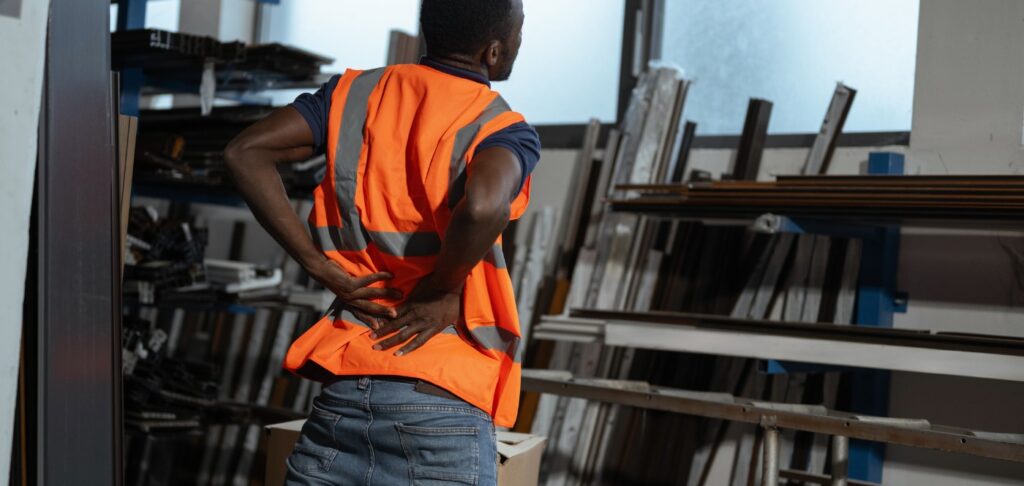
When you’re running your own electrical business, an injury can leave you with a couple of problems to sort out. One, a body that needs some care and attention, and two, a diary full of customers who still need their work completed. And, in reality, don’t really care too much about your bad back.
For a small crew, losing one person can mean rearranging jobs and finding cover. For a one-person-band, it can mean loss of work, letting people down, and reputational damage.
Electrical contracting is physical work, and Michael Dermansky, Managing Director of Victoria-based MD Health, recognises the problem from his own practice.
“Over the last 28 years working as a physiotherapist, I have often seen that tradies are great at looking after people’s houses, their plumbing or their wiring, but usually not so great at looking after their own bodies.
“Often they assume that because they do a physical job all day, their bodies are strong and they can withstand injury, but due to the heavy work, often in awkward and uncomfortable positions, injuries are common and make a real dent in their ability to work and continue with their trade.”
Key takeaways for electrical contractors
Lower back, shoulder and knee injuries are three recurring problems associated with the physical demands of electrical contracting.
Repeated lifting, carrying and twisting can place strain on the back, while overhead work increases the demands on the shoulders.
Strengthening stabilising muscles is important alongside strengthening larger muscle groups, particularly around the shoulders.
Keeping work areas clear and dealing with hazards can help prevent sudden injuries caused by slips, trips and falls.
Addressing recurring symptoms and reviewing aggravating work tasks can help contractors manage injuries before they become more difficult to deal with.
The experts we spoke to identify three recurring trouble spots – how many are familiar to you?
Why are lower back injuries common among electrical contractors?
Healthcare leader Tim Dettmann, who spent 14 years as Executive Director of Kieser Australia, sees a mix of sudden and gradually developing back problems.
“What we tend to see happen with any type of back pain is it tends to come in episodes. So people will be okay for a while, and then it’ll flare up, and then they’ll be okay for a while, and it’ll flare up.”
Michael says repeated lifting, carrying heavy loads and combining lifting with twisting as common demands associated with the back problems he sees. Tim’s advice is to spread the effort across your body when lifting.
“When you lift, use as many joints and as many muscles as you can, so then you can spread the load across more of them, and you’re not putting any one area under particular strain.”
.
Why do electricians experience shoulder and rotator cuff injuries?
Michael identifies the rotator cuff, the muscles that help control the shoulder joint, as another recurring problem area.
“Again, because a lot of the work required lifting and carrying, especially in overhead positions, this puts a very big load on the stabilisers of the shoulders, the rotator cuff muscles.
“The role of these muscles is to control the correct position of the shoulder joint, very similar to the core stabilisers of the lower back. If these muscles are not strong, especially with repeated, heavy loads, the muscles fatigue.
“It is great to strengthen the power muscles around the shoulders, such as the pecs, biceps and deltoids, but these muscles alone do not create stability and should be strengthened alongside these stabilising muscle groups to prevent injury.”
What causes knee problems in electrical contracting?
The third recurring concern is the knee, including problems involving cartilage and the kneecap.
Michael says, “Working at height, getting up and down ladders and generally lifting heavy loads also puts pressure on the knees, especially if twisting is involved when getting in and out of awkward spaces.”
The practical response is to examine the access and sequence of the work, and see if anything can be streamlined to reduce the pressure on the joint.
Prevent the sudden injuries too
While some injuries will develop over time, others can happen in a moment: a trip, a slip or a fall.
The onus is on you here – keep things clear, deal with any spills and take a moment to ensure no hazards emerge as you work. It may add to the short term stress, but long-term you’ll be glad you did.
Act before a problem becomes one
So, you feel something that’s not quite right. When should you seek help? Tim recommends a proportionate response..
“I’m not suggesting that every time a tradie has a niggle, that they go straight into the physio’s office or straight into the doctor’s office.
“But equally, I don’t think they should put up with it for six months or 12 months before they come in and see us, because then it’s really hard to move.”
For a recurring work problem, describe the actual task to your clinician and discuss it with whoever manages the job. If that’s you – you need to put on a different proverbial hat, and make sure you manage an injury rather than make it worse.
Addressing the symptoms and reviewing the work that aggravates them gives you a more useful plan than simply hoping the next flare-up fits around the diary.
Looking after your body also means preparing it for the demands of every day life as an electrical contractor. From building strength to making time for recovery, a practical fitness routine can help you stay on the tools and have more energy after knock-off. Read our Staying Fit For The Tools for advice from the experts on getting started.
Frequently asked questions about electrical contractor injuries
What are the most common injuries electricians experience?
Three recurring problem areas are the lower back, shoulders and knees. These injuries are associated with lifting, carrying, overhead work, twisting and working in awkward positions.
How can electricians reduce the risk of lower back injuries?
Tim Dettmann recommends using as many joints and muscles as possible when lifting to distribute the load and avoid placing excessive strain on one area.
Why is rotator cuff strength important for electricians?
The rotator cuff muscles help control the position of the shoulder joint. According to physiotherapist Michael Dermansky, strengthening these stabilising muscles alongside larger shoulder muscles is important for injury prevention, particularly when work involves repeated heavy loads and overhead lifting.
How can electricians reduce knee strain at work?
Reviewing access to work areas and the sequence of tasks can help identify opportunities to streamline movements and reduce pressure on the knees, particularly when lifting or moving through awkward spaces.
When should an electrician see a health professional about an injury?
Tim Dettmann advises that not every minor niggle requires an immediate appointment. However, contractors should avoid allowing recurring symptoms to continue for six or 12 months without seeking help.
Taking your electrical contracting team to the pub? Learn how to plan inclusive work events, manage alcohol, meet safety obligations and build team culture. [...]<p><a class="btn btn-secondary understrap-read-more-link" href="https://gemcell.com.au/news/electrical-contractor-team-events-pub/">Read More...<span class="screen-reader-text"> from Should You Take Your Electrical Contracting Team To The Pub? </span></a></p>
Practical guidance for electrical businesses on drug and alcohol policies, workplace testing, privacy and handling non-negative results safely. [...]<p><a class="btn btn-secondary understrap-read-more-link" href="https://gemcell.com.au/news/drug-alcohol-testing-electrical-teams/">Read More...<span class="screen-reader-text"> from Drug and Alcohol Testing for Electrical Teams</span></a></p>
What if the cables powering our homes, businesses and infrastructure could do more than simply reduce their environmental impact? What if they could achieve a negative carbon footprint before they even leave the factory? At Prysmian we believe innovation and sustainability should go hand in hand. We are continuously exploring new technologies that make our [...]<p><a class="btn btn-secondary understrap-read-more-link" href="https://gemcell.com.au/news/beyond-neutral-prysmian-takes-cable-sustainability-to-the-next-level/">Read More...<span class="screen-reader-text"> from Beyond Neutral: Prysmian takes cable sustainability to the next level</span></a></p>