The connection between lighting and the perception of safety is well known – outdoor illumination provides us with a sense of security, allowing us to use public spaces and amenities at night. But according to a study undertaken by Plan International, the Monash University XYX Lab and ARUP, which collected data on how women felt in public spaces, brighter lights do not automatically mean we feel safer.
More light doesn’t automatically increase safety
A study found women felt unsafe in very bright light
Warmer lighting provoked safer feelings than cool
Intelligent lighting is being increasingly used to create safer environments
Analysing over 80 unsafe ‘hotspots’ in Melbourne, the study found that women reported feeling unsafe in very bright or overlit areas, perhaps because they knew there would be a sharp drop in the lighting outside the brightly lit area.
When we experience a quick change in lighting levels, it takes time for our eyes to adjust to the change, and it’s this momentary blindness that made the women in the study feel more vulnerable.
Challenging assumption of how to make cities safer
This finding challenges the established practice of lighting urban spaces using high category P lights, which are assumed to reduce crime and increase the feeling of safety.
The analysis also found that the women felt safer when there was consistent layered lighting, which involves using multiple lighting types to create a balanced and well-lit environment. This kind of lighting reduces the negative effects of glare and counters the quick drop from extreme brightness to lower levels of light.
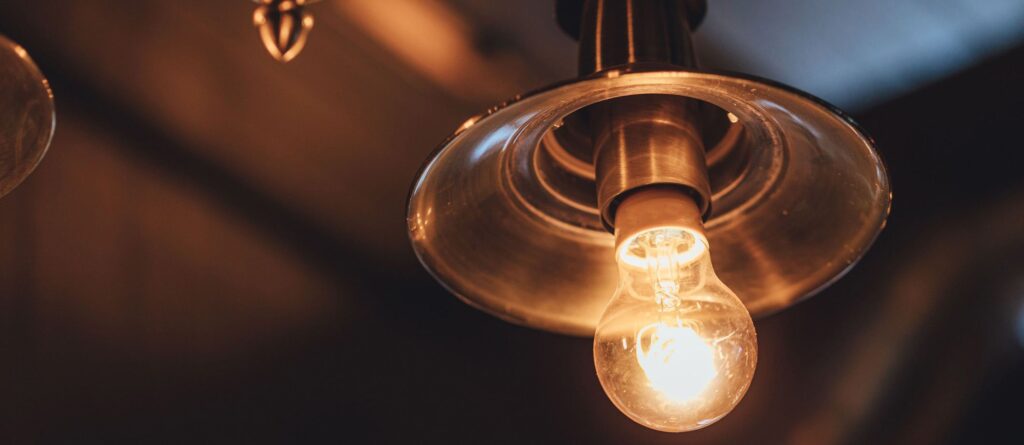
Another insight from the research was that women felt safer in warmer lights than they did in cooler lighting conditions – again debunking the popular practice of using cooler-coloured LED lights, such as the 4000K ‘cool white’ used for urban lighting in Australia.
Alternative solutions to help create safer cities
This kind of research is valuable because it highlights misconceptions that go unchallenged, and suggests possible alternative solutions to enhancing safety with lighting.
One of the emerging technologies in street lighting is intelligent lighting – including sensors – which enables local councils to remotely control streetlights and convert fixed LED lights into smart devices that keep their cities and citizens safe.
Some applications of smart street lighting to improve safety include pairing with motion detection sensors, providing alerts when concerns arise and using video technology to capture a real-time view of a situation.
In a notoriously unsafe park area in Tennessee in the States, a case study was undertaken where intelligent lighting was remotely controlled to brighten, dim or flash. When the lights flashed, the gathering of gangs in the park quickly dispersed. Over time, with this smart lighting initiative, the park was reclaimed from criminal activity.
Besides helping fight crime and making public areas safer, smart lighting comes with the additional potential to improve safety in urban areas by broadcasting evacuations and warnings, monitoring traffic, and for use in combination with other emerging technologies like gunshot detection.
While smart street lighting is being widely adopted around the world, less than 5% of Australia’s streetlights are currently smart-controlled.
What electrical contractors need to know about security camera installation, privacy, audio recording, placement and practical compliance. [...]<p><a class="btn btn-secondary understrap-read-more-link" href="https://gemcell.com.au/news/security-camera-installation-electrical-contractors/">Read More...<span class="screen-reader-text"> from Caught On Camera: The Dos And Don’ts Of Security Camera Installation For Electrical Contractors </span></a></p>
Explore insurance for electrical contractors, including public liability, professional indemnity, personal injury, tools and trailer cover. [...]<p><a class="btn btn-secondary understrap-read-more-link" href="https://gemcell.com.au/news/insurance-for-electrical-contractors/">Read More...<span class="screen-reader-text"> from Insurance For Electrical Contractors: What Cover Should You Consider?</span></a></p>
Discover the new-look Electrical Gems and what’s inside the Marketing & Reputation Issue for Australian electrical contractors.
[...]<p><a class="btn btn-secondary understrap-read-more-link" href="https://gemcell.com.au/news/electrical-gems-marketing-reputation-issue/">Read More...<span class="screen-reader-text"> from New launch: Electrical Gems – The Marketing & Reputation Issue</span></a></p>