Modular homes and the opportunities for electricians
July 7, 2025
In Australia, we’re in a bit of a quandary when it comes to housing. Our population is projected to reach 31 million by 2034, but we’ve all experienced the shortage of housing in many areas – be that through ridiculously high rents, insatiable demand at viewings, or inflated prices for relative shoeboxes.
Now, if you’ve been working with new builds – or have been building your own place – you’ll know that 1.2 million number could be a push. Houses are taking almost 12 months to build, while from approval to completion it’s almost 15 months for townhouses.
So, we need a buoyant construction industry…
But hold on for just one second.
Because the number of construction companies going to the wall is increasing. In fact, in the first seven months of the 2024-25 financial year,1999 construction firms were declared insolvent, 26% higher than in the same period in 2023-24, and a huge 69% higher than the year before that.
So, we need a solution. And the one most likely presents some good opportunities for electricians.
The rise of the modular home
Think modular homes and, if you’ve not seen the new-gen modular homes, you’ll likely think of those old prefab houses, sometimes on wheels, sometimes not.
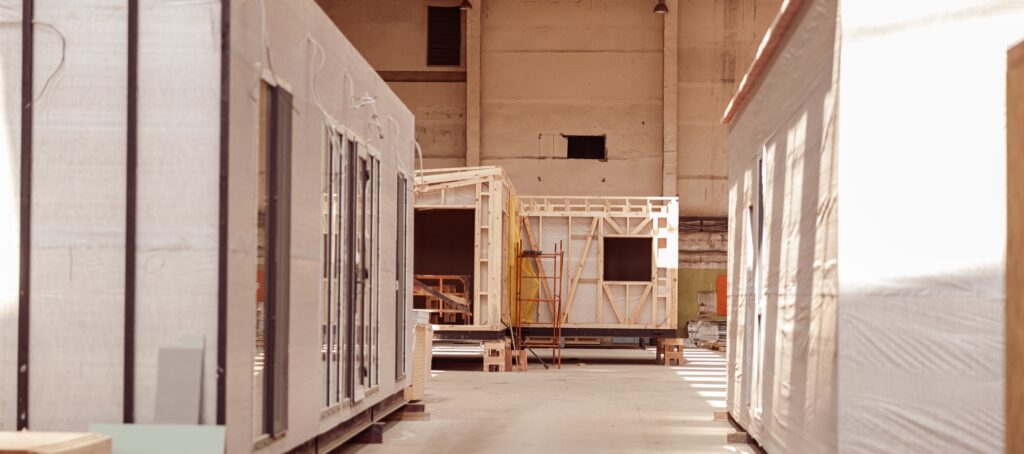
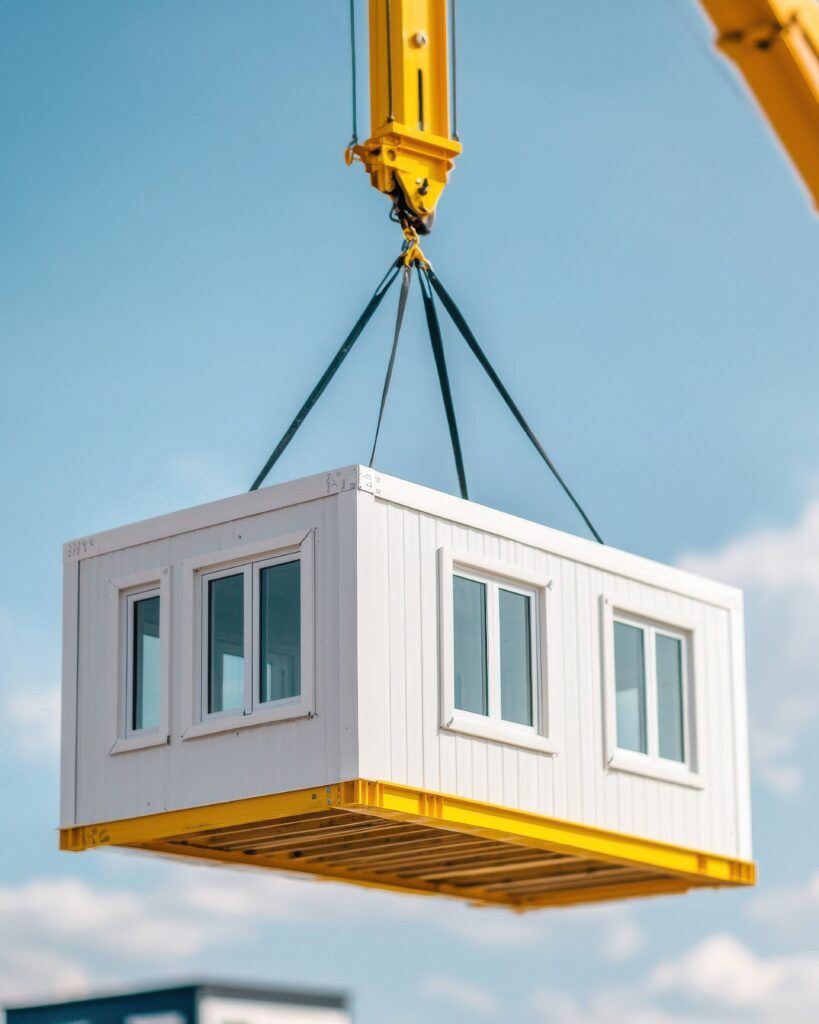
Modular homes of today are a different beast altogether, and offer a genuinely quality product created off-site, then transported and assembled to the site.
Rather than waiting 12 months from approvals to moving in, modular homes can be created in a matter of weeks.
And rather than waiting for builders to let you know the site’s ready for you now, they can provide a steady stream of work for a contractor.
How electrical contractors can work with modular home companies
Working with modular homes is a very different proposition to working with new builds, but by diversifying into modular homes you could potentially set up a steady stream of regular work, and add another string to your bow.
However, it’s a very different way of working, so you’d need to get the team aligned with what’s needed before working with a modular housing company.
Typically, a modular housing company will do the vast majority of work in the factory. Stations are set up, and each module is moved along to the next station each day.
Modular houses can come in all manner of designs and configurations – the buyer essentially chooses different set-ups from a catalogue – but they’re put together in an efficient and systematic way.
In the factory setting, prewiring will often take place. On the upside, this part of the job isn’t weather dependent. It is, however, a regular place of work for people to go to, and an assembly line mentality, which suits some people more than others.
Even if that’s not for you, there’s still a lot of opportunity out on-site. Modules need to be connected together and to power, so there could be opportunities in that space.
In addition, there’s consulting opportunities too. More and more modular companies are springing up, and they’re looking for competitive advantages.
With the increased desire for smart homes and energy-efficient dwellings, there’s a major opportunity to help modular home companies integrate new technology into homes – and creating significant upsell opportunities for you, too.
And from a business perspective it can also make sense. Regular cash flow, regular work, new connections and new opportunities – and a steady stream of new potential customers, too.
It’s taking off, and to solve the housing crisis this country’s facing, modular housing is going to become increasingly important… and we haven’t even touched on modular commercial buildings.
Same. Principles. Apply.
By getting in early, there’s the opportunity for contractors to really set themselves apart.
Explore insurance for electrical contractors, including public liability, professional indemnity, personal injury, tools and trailer cover. [...]<p><a class="btn btn-secondary understrap-read-more-link" href="https://gemcell.com.au/news/insurance-for-electrical-contractors/">Read More...<span class="screen-reader-text"> from Insurance For Electrical Contractors: What Cover Should You Consider?</span></a></p>
Discover the new-look Electrical Gems and what’s inside the Marketing & Reputation Issue for Australian electrical contractors.
[...]<p><a class="btn btn-secondary understrap-read-more-link" href="https://gemcell.com.au/news/electrical-gems-marketing-reputation-issue/">Read More...<span class="screen-reader-text"> from New launch: Electrical Gems – The Marketing & Reputation Issue</span></a></p>
The popular Ventair Stanza ceiling fan has been upgraded to an energy-efficient DC model, delivering a practical, modern solution for homes, classrooms, offices and light commercial spaces. Designed as a hassle-free retrofit, Stanza DC provides the power-saving benefits of DC motor technology while retaining the simplicity of a wall control. It is compatible with existing [...]<p><a class="btn btn-secondary understrap-read-more-link" href="https://gemcell.com.au/new-products/ventair-stanza-dc/">Read More...<span class="screen-reader-text"> from Ventair – Stanza DC</span></a></p>