Instant asset write off for electricians | Gemcell
November 18, 2025
How to maximise depreciation on your electrical assets and equipment
Turning investment into tax savings
Every contractor knows that quality tools and equipment don’t come cheap. From thermal imaging cameras to utes and oscilloscopes, investing in professional-grade gear is essential to running a safe and efficient business, but it also often means a major outlay of cash.
Fortunately, the Australian Taxation Office (ATO) gives business owners a way to recover part of that investment over time through depreciation.
In this article, Advisory Partner accountant Abbie Buchholz breaks down how depreciation works, how the Instant Asset Write-Off can boost your cash flow, and what records contractors need to keep to make sure they’re claiming every eligible dollar.
Depreciation explained: the principle of wear and tear
Depreciation is the ATO-approved way of recognising that business assets lose value over time. For electrical businesses, this includes everything from power tools to vehicles, computers and office furniture.
“Depreciation allows you to claim the cost of an asset as it wears out, spreading deductions over its effective life. This process helps reduce taxable income and improve cash flow,” says Abbie.
There are two common calculation methods: diminishing value and prime cost. Both are accepted by the ATO and affect how deductions are applied over the life of an asset. To find out more about depreciation, capital expenses and allowances, click here.
The contractor’s best friend: the Instant Asset Write-Off
For many small and medium-sized trade businesses, the Instant Asset Write-Off is the simplest and most impactful way to claim deductions. It allows you to immediately deduct the full cost of eligible assets in the same financial year they’re purchased, installed or first used, instead of depreciating them over several years.
How it works
“To be an eligible asset, it needs to have a direct connection to producing assessable income and be in your possession (not just ordered) to be able to claim a deduction,” Abbie explains.
“The small-business Instant Asset Write-Off limit is currently assets with a value of less than $20,000 until 30 June 2026, and allows an immediate deduction for the full cost of eligible depreciating assets costing less than $20,000 that are used or installed ready for use between 1 July 2024 and 30 June 2026.
“It’s also worth noting that assets valued at $20,000 or more can continue to be placed into the small-business simplified-depreciation pool and depreciated at 15 per cent in the first income year and 30 per cent each income year after that. Pool balances under $20,000 at the end of the 2024 – 25 income year can also be written off.”
Eligible assets checklist
For electricians, typical eligible assets include:
Test and measurement equipment (e.g. multimeters, insulation testers)
Power tools, batteries and chargers
Safety gear and PPE
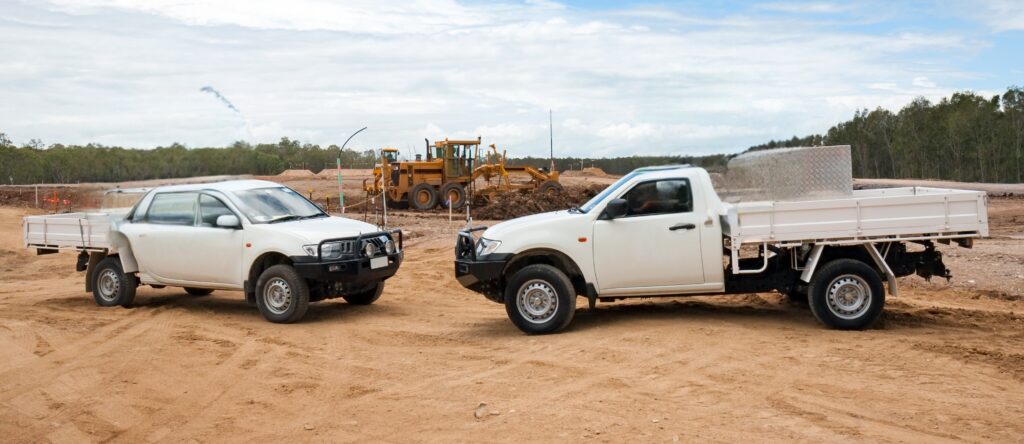
Business vehicles such as utes or vans
Workshop machinery and benches
Office computers, printers and software
Caveats and cautions
There are a few important details to remember: “If there is any portion of an asset that is used for non-business activity, the tax-deductible amount will need to be apportioned in order to claim a tax deduction,” says Abbie.
“Likewise, a less-than-$20,000 threshold means assets costing exactly $20,000 won’t be eligible for an instant deduction. The amount depreciated is net of GST. Timing is also important. The asset must be installed and ready to use to be depreciated, even if it has been fully paid for.”
Abbie also stresses the importance of checking thresholds and eligibility dates, as they change regularly. “We recommend confirming the latest information via the ATO Instant Asset Write-Off page and speaking with your accountant before making any big changes or claims.”
Tips to ensure your records are correct
Claiming depreciation correctly depends on consistent and accurate record-keeping. Staying organised throughout the year not only reduces stress at tax time, but also ensures you don’t miss any deductible expenses.
Abbie recommends keeping income and expense records up to date at least monthly, either on a spreadsheet or using accounting software such as Xero or MYOB. “These programs connect directly to your business bank account, send invoices, and store digital copies of receipts, making it easier to track asset purchases and usage.”
Abbie also suggests maintaining an asset register that records each item’s purchase date, cost, serial number and depreciation method, and clearly separating business and personal use. “The ATO expects you to keep records for at least five years. Digital storage means they’re safe, searchable and ready if you’re ever audited.”
Effective asset management is essential to running a profitable electrical business. By keeping accurate records, planning major purchases in advance, and reviewing your asset register regularly, you can make smarter financial decisions and avoid last-minute tax stress.
Staying proactive helps improve cash flow, reduce unexpected tax bills, and position your business to reinvest where it matters most – in the people, tools and technology that keep your operations running efficiently.
Subscribe to Electrical Gems
Featuring topical issues in the industry, product reviews and emerging trends in local markets.
A practical guide to staff expenses for tradies, covering expense policies, receipts, approvals, red flags and job-level cost tracking. [...]<p><a class="btn btn-secondary understrap-read-more-link" href="https://gemcell.com.au/news/staff-expenses-tradies-electrical-business/">Read More...<span class="screen-reader-text"> from Staff expenses 101 – a tradie’s guide</span></a></p>
What electrical contractors need to know about security camera installation, privacy, audio recording, placement and practical compliance. [...]<p><a class="btn btn-secondary understrap-read-more-link" href="https://gemcell.com.au/news/security-camera-installation-electrical-contractors/">Read More...<span class="screen-reader-text"> from Caught On Camera: The Dos And Don’ts Of Security Camera Installation For Electrical Contractors </span></a></p>
Explore insurance for electrical contractors, including public liability, professional indemnity, personal injury, tools and trailer cover. [...]<p><a class="btn btn-secondary understrap-read-more-link" href="https://gemcell.com.au/news/insurance-for-electrical-contractors/">Read More...<span class="screen-reader-text"> from Insurance For Electrical Contractors: What Cover Should You Consider?</span></a></p>