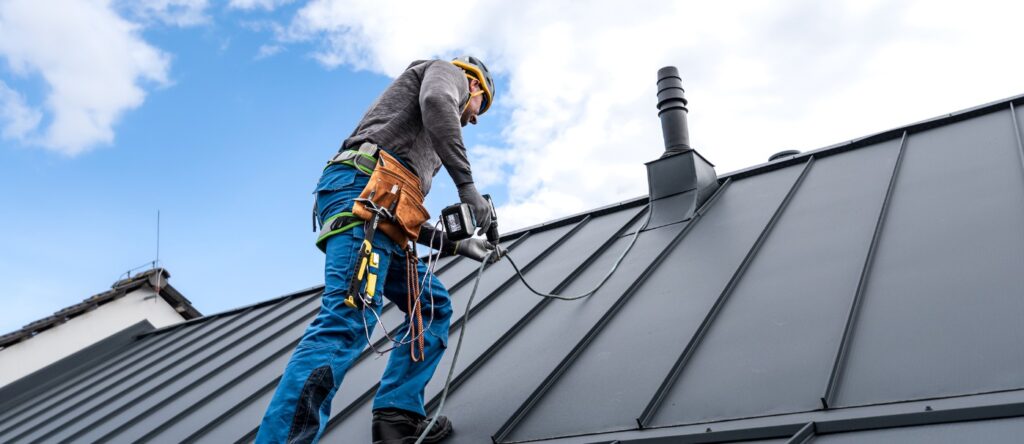
How to conduct effective toolbox talks for your staff: boost safety & productivity
Whether you’re running a large electrical team or managing contractors on-site, effective toolbox talks are one of the best ways to keep your crew aligned.
Often held regularly at the start of a shift, toolbox talks are short, focused meetings that cover important safety reminders, site updates, and technical or product knowledge, allowing you to communicate efficiently and effectively with your team.
Done right, toolbox talks can help boost safety and productivity, as well as improve team performance. From reinforcing key safety procedures to sharing new tools, techniques or client feedback, toolbox talks help everyone stay sharp, informed and productive.
Why effective toolbox talks matter for your business
Toolbox talks might seem like a simple routine, but when they’re well-delivered and consistent, they can help improve productivity, build team morale and keep your employees safe. Here’s how:
Enhancing safety and reducing risks
Consistent and quick meetings like these are important to keep everyone informed about Work Health and Safety (WHS) requirements, regulation changes or site-specific risks, helping you stay compliant and reduce incidents.
Improving efficiency and productivity
Toolbox talks are the perfect time to discuss new products, tools, or installation methods that can save time and energy. You could also use the time to review recent jobs, talk through any issues that might have come up, and share better ways of doing things.
Fostering team communication and morale
If your crew feels they can speak up, ask questions or share what they know without being shut down, your site not only becomes safer, but you’re also building trust, connection and a greater sense of ownership and responsibility, which are all key in creating a good team environment.
Demonstrating professionalism
Regular, well-run toolbox talks position your business as one that values its team members, respects the workplace and takes safety seriously.
Planning your toolbox talk: the essentials
The most effective toolbox talks are short, relevant, and planned. If not, you run the risk of veering off topic and losing your team’s interest.
Choose a relevant topic
Use the time to address any recent incidents, talk about upcoming jobs or announce if any new equipment or materials are being used. Other examples could include new wiring methods, arc flash hazards, appropriate safety procedures or any updates to industry standards.
Research and prepare your content
Use reliable sources like WHS guidelines or supplier manuals to inform your talk. Remember to keep the content focused – stick to a few key points and explain why they matter in the real world.
Consider your audience
Before you start planning your talks, think about the experience level of your team members. Don’t be afraid to use language that’s easy to relate to, and encourage participation by asking open-ended questions.
Logistics matter
Choose a quiet and safe location for your toolbox talk. Remember to keep it short – 5 to 15 minutes max. That way, it’s easier to keep your team’s attention and respect everyone’s time.
Delivering an engaging toolbox talk
A good toolbox talk should feel like a conversation. Here’s how to deliver one that actually sticks:
Start with a hook
Grab attention right away. Use a real incident, a surprising fact, or a question – a little storytelling can go a long way.
Present information clearly and concisely
Jargon tends to lose people’s attention more quickly because they have to work harder to understand, so stick to plain language where possible. If it helps, bring in visual aids like a sketch, photo, or tool – showing is often more effective than telling.
Encourage discussion and questions
Ask what people have seen on-site, or how they’d handle a scenario. Getting your team to think and talk reinforces learning and keeps the session engaging.
Summarise key takeaways
Close by reinforcing the key points and what actions need to be taken. For example: “From today, we’ll start using the new lockout tags…”
Document the talk
Record the date, topic, names of attendees, and any key outcomes. This helps to track safety conversations and decisions.
Common pitfalls to avoid
Making it a lecture. When one person talks the whole time, attention fades. Get the team involved.
Being unprepared. Winging your toolbox talk can lead to missed points or mixed messages. Jot a few notes down the day before to stay clear and confident.
Going overtime. Stick to 5–15 minutes to keep it efficient.
Ignoring feedback. If someone raises a concern or idea, acknowledge it. Team contribution is important for morale and is a good way to keep everyone engaged.
Lack of consistency. Regular, well-timed toolbox talks can bring teams together and decrease WHS issues.
When done well, toolbox talks can be a simple and engaging way to boost safety, efficiency, and teamwork without slowing down the day.
With a well-informed, confident, and connected team, your jobs are more likely to run smoothly, leading to reduced mistakes, a safer site and a more positive work environment.
What electrical contractors need to know about security camera installation, privacy, audio recording, placement and practical compliance. [...]<p><a class="btn btn-secondary understrap-read-more-link" href="https://gemcell.com.au/news/security-camera-installation-electrical-contractors/">Read More...<span class="screen-reader-text"> from Caught On Camera: The Dos And Don’ts Of Security Camera Installation For Electrical Contractors </span></a></p>
Explore insurance for electrical contractors, including public liability, professional indemnity, personal injury, tools and trailer cover. [...]<p><a class="btn btn-secondary understrap-read-more-link" href="https://gemcell.com.au/news/insurance-for-electrical-contractors/">Read More...<span class="screen-reader-text"> from Insurance For Electrical Contractors: What Cover Should You Consider?</span></a></p>
Discover the new-look Electrical Gems and what’s inside the Marketing & Reputation Issue for Australian electrical contractors.
[...]<p><a class="btn btn-secondary understrap-read-more-link" href="https://gemcell.com.au/news/electrical-gems-marketing-reputation-issue/">Read More...<span class="screen-reader-text"> from New launch: Electrical Gems – The Marketing & Reputation Issue</span></a></p>