Work Vehicle Accidents: Are Employers Liable If an Employee Uses Their Own Ute?
May 18, 2026
Electrical contractors often rely on their team to pick up materials, visit job sites or run errands during the workday. Sometimes that means employees using their own vehicles for work tasks.
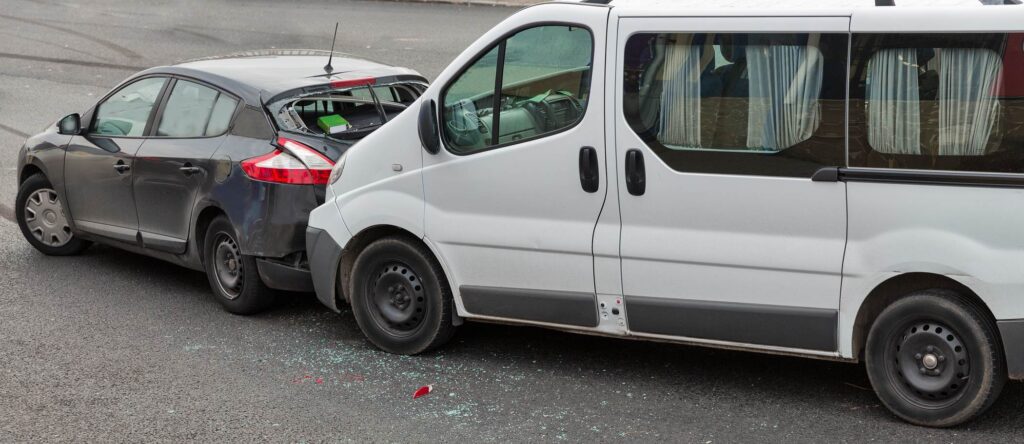
But what happens if an employee has an accident while using their personal ute for a work-related job?
According to Lauren Cassimatis, principal of Gallant Law, the employer may still be legally responsible in certain situations.
Understanding when liability can apply helps contractors manage risk and ensure appropriate policies are in place.
What is employer liability for employee vehicle accidents?
Employer liability in this situation typically falls under the legal concept of vicarious liability.
This means an employer can be held responsible for the actions of an employee if those actions occur in the course of their employment.
In practical terms, if a worker is performing a task as part of their job — such as collecting materials from a wholesaler — the employer may still carry legal responsibility if something goes wrong.
Key takeaways for electrical contractors
Employers may still be liable if an employee has an accident while performing work duties, even in their own vehicle.
The key legal question is whether the employee was acting “in the course of their employment.”
Insurance, including compulsory third-party (CTP) coverage, is typically the first line of protection.
Clear company policies about private vehicle use for work can help manage risk.
Employers should ensure employees have valid licences, roadworthy vehicles and appropriate insurance.
Can an employer be liable if an employee crashes their own vehicle during work?
Cassimatis says liability can still arise even when the vehicle involved does not belong to the company.
“The short answer is: potentially, yes,” she says.
“Even if the vehicle isn’t company-owned, an employer can still be legally responsible if the employee was acting ‘in the course of their employment’ at the time of the accident.”
“For example, collecting cable from a wholesaler at the boss’s request will almost always fall within that scope.”
This means the circumstances of the trip are more important than who owns the vehicle.
What is vicarious liability in Australian workplace law?
Australian law recognises that employers can be responsible for the actions of employees while they are performing their job duties.
Cassimatis explains how this applies in vehicle-related incidents.
“Under Australian law, employers can be vicariously liable for negligent or hazardous acts of employees carried out as part of their work duties,” she says.
If an accident occurs while an employee is performing a work task, the employer may therefore face legal exposure.
How does insurance affect liability?
Insurance is usually the first factor considered after an accident.
Cassimatis says coverage may come from the employee’s own insurance policy.
“Liability isn’t automatic; insurance is the starting point,” she says.
“The employee’s compulsory third-party (CTP) insurance may cover vehicle and property damage.”
However, additional exposure can still arise in certain circumstances.
“If losses aren’t fully covered, or the employee was uninsured, the employer may still be exposed,” she says.
How can contractors manage risk when staff use their own vehicles?
Clear policies and expectations are an important part of reducing risk when employees use private vehicles for work.
Cassimatis says employers should provide guidance and training around vehicle use.
“Importantly, employers have a responsibility to set clear expectations and provide training around the use of private vehicles for work and safe conduct,” she says.
“This should include requirements about valid licences, roadworthy vehicles, appropriate insurance and compliance with company policies including safety expectations.”
Clear documentation also helps demonstrate that the business has taken reasonable steps to manage risk.
When could liability shift back to the employee?
In some cases, responsibility may shift away from the employer if the employee ignores clear instructions or company policies.
Cassimatis says this can occur if workers act outside agreed rules.
“If an employee acts outside those directions — for example, driving uninsured or contrary to a clear policy — liability may shift back to the employee,” she says.
Having clear written policies can therefore play an important role in protecting both the employer and employees.
Frequently asked questions about employee vehicle use for work
Can employers be liable if an employee crashes their own vehicle during work?
Yes. Employers may still be liable if the employee was performing a work task and acting within the scope of their employment.
What does “in the course of employment” mean?
It refers to actions carried out as part of a worker’s job duties, such as picking up materials or travelling between job sites.
Does insurance cover accidents in private vehicles used for work?
Compulsory third-party (CTP) insurance may cover some damage or injury, but coverage depends on the circumstances and policy details.
How can contractors reduce liability risks?
Clear policies about private vehicle use, valid licences, roadworthy vehicles and appropriate insurance can help reduce exposure.
What electrical contractors need to know
If a worker uses their own vehicle to carry out a work task, the employer may still be legally responsible if an accident occurs.
Understanding vicarious liability, ensuring appropriate insurance coverage and establishing clear company policies around private vehicle use are important steps for contractors managing staff and work vehicles.
Discover the new-look Electrical Gems and what’s inside the Marketing & Reputation Issue for Australian electrical contractors.
[...]<p><a class="btn btn-secondary understrap-read-more-link" href="https://gemcell.com.au/news/electrical-gems-marketing-reputation-issue/">Read More...<span class="screen-reader-text"> from New launch: Electrical Gems – The Marketing & Reputation Issue</span></a></p>
The popular Ventair Stanza ceiling fan has been upgraded to an energy-efficient DC model, delivering a practical, modern solution for homes, classrooms, offices and light commercial spaces. Designed as a hassle-free retrofit, Stanza DC provides the power-saving benefits of DC motor technology while retaining the simplicity of a wall control. It is compatible with existing [...]<p><a class="btn btn-secondary understrap-read-more-link" href="https://gemcell.com.au/new-products/ventair-stanza-dc/">Read More...<span class="screen-reader-text"> from Ventair – Stanza DC</span></a></p>
The new LEDVANCE HouseGuard Security Floods are now available as a full family of products to suit every residntial application when you need instant light for safety and security. The range is available in both Back and White to complimentyour exterior colour. Single 12w ( Lumen package 1200lms ) and Twin 12w ( 24w Total [...]<p><a class="btn btn-secondary understrap-read-more-link" href="https://gemcell.com.au/new-products/ledvance-houseguard-security-floodlight/">Read More...<span class="screen-reader-text"> from LEDVANCE – HouseGuard Security Floodlight</span></a></p>